
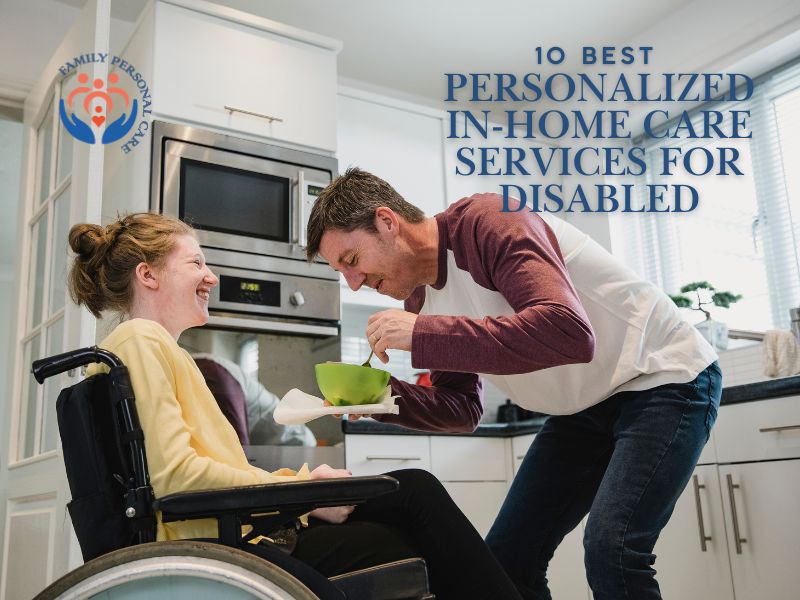
Customized Disability Care Services
When you choose customized disability care services, you’re prioritizing a personalized approach that enhances your quality of life. These services are uniquely designed to meet your specific needs, abilities, and preferences, ensuring you receive the support that truly matters. With personalized care, you can enjoy in-home care services that allow you to live independently while receiving tailored assistance for daily activities like bathing, mobility, and medication reminders.
Moreover, caregivers focus not just on practical help but also on companionship, which helps reduce feelings of isolation and boosts your mental well-being. The adaptable nature of these services means they can cater to various disabilities, making sure you get the exact care you require. By embracing customized disability care services, you’re taking a significant step toward living your best life at home, surrounded by the support that fosters independence and enhances your overall happiness. This commitment to well-being is reflected in the personalized care plans offered by Family Personal Care, ensuring your unique needs are met.
Companion Care Services
Companion care services offer you emotional support and foster social interaction, helping to alleviate feelings of isolation. Your caregiver can engage you in your favorite hobbies and activities, enhancing your quality of life. By tailoring their approach to your interests, these services ensure you receive the personal attention you deserve. Furthermore, the client-companion matching process ensures that you are paired with someone who understands your needs and preferences, promoting a meaningful connection.
Emotional Support and Engagement
Emotional support and engagement are crucial for individuals with disabilities, as they significantly alleviate feelings of loneliness and social isolation. Companion care services offer meaningful interactions through regular conversations and shared activities, fostering a sense of companionship that enhances quality of life. By participating in your hobbies and interests, caregivers promote mental well-being while ensuring you feel heard and valued. This assistance with communication needs allows you to express yourself and stay connected with loved ones and the community. The presence of a compassionate caregiver not only improves mental health outcomes but also nurtures emotional health, creating a supportive environment where you can thrive. Ultimately, this emotional support is essential for nurturing a fulfilling and satisfying life.
Social Interaction Benefits
Social interaction plays a vital role in enhancing the well-being of individuals with disabilities, as it fosters connections that combat feelings of isolation. Caregivers provide companionship and emotional support, creating an environment where meaningful relationships thrive. This bond not only alleviates loneliness but also promotes mental well-being and a sense of community.
| Benefits of Social Interaction | Emotional Support | Companionship |
| Reduces feelings of isolation | Boosts self-esteem | Enhances joy |
| Encourages personal growth | Provides empathy | Builds trust |
| Fosters a sense of belonging | Strengthens resilience | Increases happiness |
Activities and Hobbies Participation
How can engaging in activities and hobbies transform the lives of individuals with disabilities? By providing companionship and emotional support, caregivers play a crucial role in facilitating participation in meaningful activities. Whether it’s arts and crafts, games, or outdoor adventures, caregivers tailor experiences to fit each individual’s interests and abilities. These personalized care plans not only organize social outings and community events but also enhance the overall quality of life. Regular engagement in activities fosters a sense of belonging and improves mental well-being, reducing feelings of isolation. Caregivers also assist with communication needs during these activities, ensuring everyone can fully enjoy their time together. Ultimately, participation in hobbies nurtures connection, joy, and confidence for individuals with disabilities.
Personal Care Assistance
When you need support with daily living activities, personal care assistance can make a real difference. Not only does it help with tasks like bathing and dressing, but it also provides companionship that boosts your emotional well-being. This personalized care allows you to maintain independence while feeling connected and supported in your own home. Additionally, services are developed in collaboration with families to ensure individual needs are met effectively.
Daily Living Activities Support
Personalized in-home care services play a crucial role in supporting daily living activities, offering tailored assistance that meets your unique needs. These services include personal care tasks like bathing, grooming, and dressing, ensuring you feel comfortable and dignified. Caregivers assist with mobility and transferring, promoting your safety and independence while helping you navigate your home with ease. They also provide medication reminders so you can effectively manage your health plan. Meal preparation, grocery shopping, and light housekeeping are included too, allowing you to focus on your well-being in a clean environment. By addressing these daily living needs, personalized care for disabled adults enhances your quality of life and empowers you to maintain your independence.
Companionship and Emotional Well-being
Companionship is essential for enhancing emotional well-being, especially for individuals with disabilities. By providing personalized companionship, you can significantly reduce feelings of loneliness and social isolation. Consider these benefits:
- Engaging in meaningful conversations that foster emotional support
- Participating in enjoyable activities that promote happiness
- Building consistent relationships that increase trust and security
- Improving overall health outcomes through better mood and mental health
As a caregiver, your role in offering companionship is invaluable. You not only support clients in their daily lives but also help them feel valued and connected. This emotional bond can lead to a more fulfilling life, making a profound difference in their well-being and happiness. Your commitment to companionship truly matters.
Household Task Support
While managing daily tasks can be challenging, in-home care services offer vital household task support tailored to your specific needs. Caregivers can assist with everything from meal preparation to light housekeeping, ensuring your home remains organized and safe. With personalized meal planning, they cater to your dietary restrictions, enhancing your overall well-being and enjoyment of food. Homemaker services are designed to assist individuals with daily household tasks, providing essential support to maintain a comfortable living environment. This support not only fosters independence but also ensures you stay connected to your community.
Respite Care for Family Caregivers
Respite care is essential for you as a family caregiver, giving you the chance to recharge while ensuring your loved one receives quality care. There are various types of respite services available, from a few hours to several weeks, tailored to fit your needs. By utilizing these services, you can significantly improve your well-being and prevent burnout, all while enhancing the quality of life for both you and the person you care for. This support not only helps to lighten the caregiver’s load but also fosters a healthier family dynamic.
Importance of Respite Care
Caring for a loved one can be incredibly rewarding, but it often comes with significant challenges that can lead to caregiver burnout. That’s where respite care comes in, providing essential temporary relief for caregivers. Here are some key benefits:
- Recharge your energy: Take time for yourself to maintain your health.
- Flexible scheduling: Enjoy breaks while ensuring your loved one gets support.
- Reduce stress: Lower caregiver burnout, improving family dynamics.
- Enhance quality of life: Boost well-being for both you and the individual receiving care.
Types of Respite Services
Finding the right support can make all the difference for family caregivers seeking a break. Respite care services offer you flexible options, whether you need a few hours or several days. These services provide essential care support, ensuring your loved ones receive quality assistance while you recharge.
Types of respite services include help with daily activities, companionship, and emotional support tailored to individual needs. Many programs focus on delivering personalized attention, adapting to the unique requirements of individuals with disabilities. This not only alleviates your stress but also fosters social interaction for your loved one, reducing feelings of isolation during your absence. Investing in respite care can empower you to take the necessary breaks to maintain your own well-being.
Benefits for Family Caregivers
Taking breaks is essential for family caregivers, and respite care offers invaluable benefits that can transform your experience. By utilizing supportive care, you can:
- Recharge your energy, reducing feelings of stress and burnout
- Enhance your ability to provide quality care for people with disabilities
- Enjoy flexible scheduling to fit your unique needs
- Improve overall family dynamics, returning refreshed and engaged
Respite care provides temporary relief, ensuring that your loved one receives continuous care from professional caregivers during your absence. This essential service not only supports your well-being but also strengthens your role as a caregiver. Embracing respite care allows you to maintain your health and enhance the quality of care you provide to your loved ones.
I/DD Support Services
I/DD support services are designed to empower individuals with intellectual and developmental disabilities, helping them thrive in their home environments. These In-Home Care Services focus on enhancing the independence and quality of life for adults with disabilities. By providing personalized assistance with daily living activities, caregivers help foster social interactions and community integration tailored to each individual’s unique needs.
Care plans are customized to reflect individual abilities and preferences, ensuring that support remains person-centered and effective. Experienced caregivers not only assist with tasks but also offer compassionate companionship, reducing feelings of isolation and boosting emotional well-being. This holistic approach helps individuals set and achieve personal goals, making a significant impact on their lives. Ultimately, I/DD support services play a crucial role in enriching the daily experiences of adults with disabilities, enabling them to lead fulfilling lives in the comfort of their own homes. Additionally, the commitment to personalized support ensures that each individual’s unique needs are met effectively.
Coordination of Care With Healthcare Providers
Effective coordination of care with healthcare providers is essential for ensuring individuals with disabilities receive comprehensive support at home. By fostering strong communication, you can empower in-home caregivers to deliver better care. Here are some key benefits of this coordination:
- Caregivers remain informed about medical needs and treatment plans.
- Regular updates help monitor health status and adjust care as needed.
- Timely medication reminders ensure proper adherence to complex regimens.
- Holistic management reduces hospital readmissions through appropriate follow-up care.
When you prioritize this collaboration, you’re not just enhancing the quality of care; you’re also providing families with peace of mind. They can trust that their loved ones’ health needs are being managed effectively by a dedicated team of in-home caregivers and healthcare providers. This teamwork leads to a more supportive and nurturing environment, ultimately improving the quality of life for individuals with disabilities. Additionally, personalized care plans are crucial in addressing the unique needs of each individual and ensuring effective support.
Emotional Support and Engagement Services
When it comes to personalized in-home care, emotional support and engagement services play a crucial role in enhancing the lives of individuals with disabilities. These services focus on reducing feelings of loneliness and social isolation by providing meaningful companionship. As a caregiver, you’ll offer conversation and companionship, ensuring your clients feel connected and valued, which greatly boosts their mental well-being.
Engaging individuals in activities tailored to their interests not only enhances emotional health but also promotes cognitive stimulation and physical activity. By assisting with communication needs, you help clients express their feelings and maintain relationships with friends and family. This emotional support through companionship is linked to greater satisfaction and improved quality of life. Ultimately, your dedication fosters a sense of belonging and purpose, making a significant difference in their daily lives.
Frequently Asked Questions
What Do People With Disabilities Get for Free?
People with disabilities can access various free services. You might qualify for Medicaid, which offers in-home care and other support. If eligible, Supplemental Security Income (SSI) provides financial assistance to help with living expenses. Many states have free transportation services to help you get to medical appointments or community activities. Additionally, veterans may receive in-home care through the VA, and nonprofits often offer grants for essential services and equipment.
What Is the Most Requested Support Service for the Elderly?
The most requested support service for the elderly is assistance with activities of daily living (ADLs). You’ll often find them needing help with bathing, dressing, and personal hygiene. Companionship services also rank high, as they provide much-needed emotional support and combat loneliness. Medication management, transportation for errands, and light housekeeping services are equally important, ensuring your loved ones maintain their independence while receiving the care and support they truly deserve.
What Are the 4 Types of Caregivers?
The four types of caregivers are personal care aides, home health aides, nursing staff, and companions. Personal care aides assist with daily activities like bathing and meal prep. Home health aides provide medical support, including medication administration. Nursing staff, such as RNs and LPNs, handle skilled medical care and planning. Companions focus on emotional support and engaging clients in activities, helping to reduce feelings of isolation and enhance overall well-being.
How Can I Get Paid to Take Care of a Disabled Person?
You can get paid to take care of a disabled person through several avenues. First, check if Medicaid’s Consumer-Directed Personal Assistance Program (CDPAP) is available in your state; it allows you to be compensated as a caregiver. If you’re a veteran or caring for one, explore VA benefits for support. Additionally, long-term care insurance policies may cover family caregivers. State-funded programs might also offer compensation for your invaluable assistance.