If you’ve started looking into in-home care for a parent or loved one, you’ve probably run into the term personal care assistant, or PCA. But what exactly does a PCA do — and how is the role different from a nurse, a home health aide, or a companion? Here’s a clear, practical look at what a personal care assistant provides and how to tell whether one is the right fit for your family.
A Personal Care Assistant, in Plain Terms
A personal care assistant is a trained, non-medical caregiver who helps a person with the everyday activities of daily life so they can stay safe and independent at home. The job is hands-on and personal — exactly the kind of help many of us would rather receive from a patient, respectful professional than ask a family member to provide. PCAs work with seniors, adults with disabilities, people recovering from surgery or illness, and anyone who needs a steady hand with daily routines.
What a PCA Helps With Day to Day
A PCA’s work generally falls into two buckets: personal care and everyday household support.
Personal care (Activities of Daily Living):
- Bathing, showering, and grooming
- Dressing and undressing
- Toileting and incontinence care
- Mobility, walking, and safe transfers (for example, from bed to a chair)
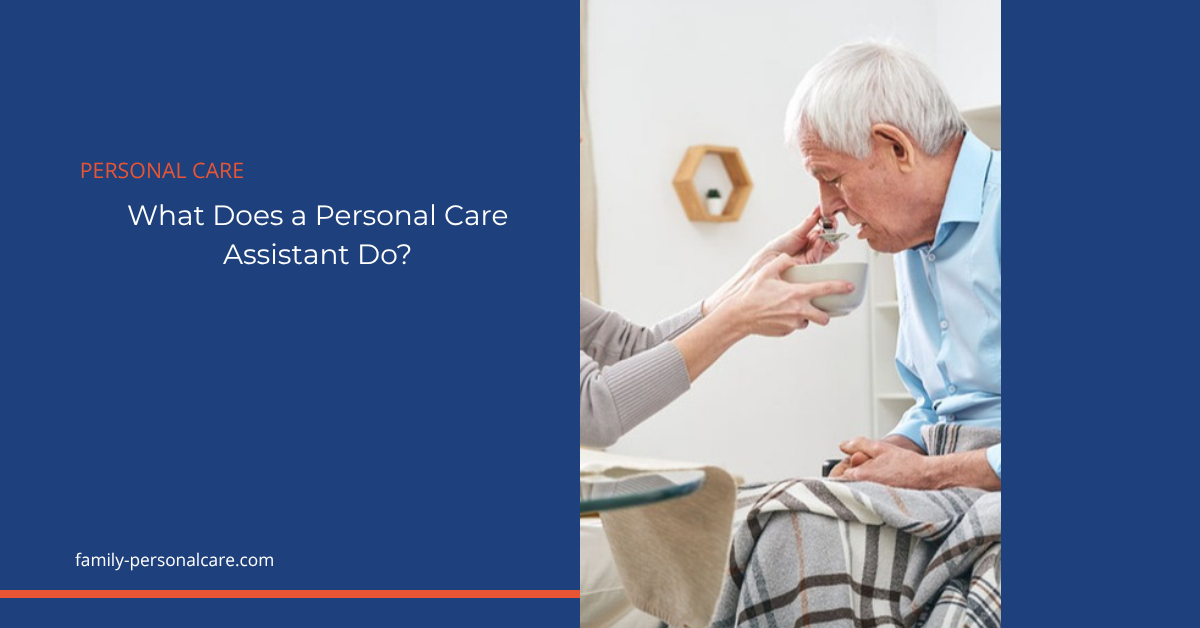
- Help with eating and staying nourished
Everyday support (Instrumental Activities of Daily Living):
- Light housekeeping and laundry
- Meal planning and preparation
- Running errands and picking up essentials
- Medication reminders (helping someone remember to take medications on time)
- Companionship, conversation, and a watchful eye for safety
Together, this support helps a person keep their dignity and routine — and gives family members real peace of mind.
What a PCA Does Not Do
This is where the distinction matters. A personal care assistant provides non-medical care. That means a PCA does not perform clinical or skilled tasks such as administering medications, giving injections, wound care, or other treatments that require a licensed medical professional. Those services are provided by skilled home health professionals like nurses. A good agency will be upfront about this line and help point you to the right type of provider if medical care is needed.
PCA vs. Other Care Roles
- Companion: focuses on company, conversation, and light help, but typically does not provide hands-on personal care like bathing or transfers.
- Personal care assistant / caregiver: provides hands-on, non-medical help with daily living — the focus of this article.
- Home health aide: similar daily support, sometimes with limited health-related tasks under professional supervision.
- Skilled nurse (RN/LPN): provides medical care that requires a license.
Many families start with a PCA because most of what an aging loved one needs day to day is non-medical: help staying clean, fed, safe, and engaged.
Who Needs a Personal Care Assistant?
A PCA can be the right fit when a loved one:
- Is having trouble bathing, dressing, or moving around safely
- Has had a fall, or you’re worried about one
- Is recovering from surgery, a hospital stay, or an illness
- Lives with a disability or a chronic condition
- Has early memory changes and needs supervision and reminders
- Is increasingly isolated and would benefit from companionship
Care can start small — a few hours a week — and grow as needs change, all the way up to around-the-clock support. In Nevada the same role is often called a personal care attendant — the day-to-day support is the same.
How to Arrange a PCA — and How to Pay for It
You can hire a personal care assistant through a home care agency, which handles screening, training, scheduling, and backup coverage so you don’t have to. As for cost, families typically pay through one or more of these: private pay, Nevada Medicaid’s Personal Care Services program or waiver programs (for those who qualify), and long-term care insurance.
How Family Personal Care Helps
At Family Personal Care, our caregivers provide exactly this kind of non-medical personal care for seniors and adults with disabilities across the Las Vegas area. They’re background-checked and employed directly by us as W-2 staff, our minimum visit is two hours, and we can scale from a few hours a week up to 24-hour support through rotating shifts. Before care begins, a coordinator visits the home for a free assessment and builds a plan around your loved one’s needs.
Frequently Asked Questions
What’s the difference between a PCA and a CNA? A PCA provides non-medical personal care. A CNA (certified nursing assistant) has clinical training and may perform some health-related tasks, often in a facility or under nursing supervision.
Can a PCA give medications? A PCA can provide medication reminders but does not administer medication or perform medical treatments — those require a licensed professional.
How many hours can I arrange? At Family Personal Care, visits start at a two-hour minimum and can scale up to around-the-clock care through 24-hour rotating shifts.
Will Medicaid or insurance pay for a PCA? Often, yes. Nevada Medicaid’s Personal Care Services program and waiver programs, as well as long-term care insurance, can help cover non-medical personal care for those who qualify.
Talk to Family Personal Care
If you think a personal care assistant might be what your loved one needs, we’re glad to help you figure it out. Call us at (702) 906-1999 or contact us today for a free, no-obligation consultation.